
Crafting Exceptional Residential and Commercial Designs

When it comes to creating spaces that truly resonate with their inhabitants, whether at home or work, the magic lies in thoughtful design. I’m excited to share some insights into crafting exceptional environments that blend style, function, and personality. Whether you’re dreaming of a cosy living room or a dynamic office space, understanding the core principles of design can transform your vision into reality. Let’s dive into the world of residential and commercial design and explore how you can make your spaces stand out!
Unlocking Residential Design Insights
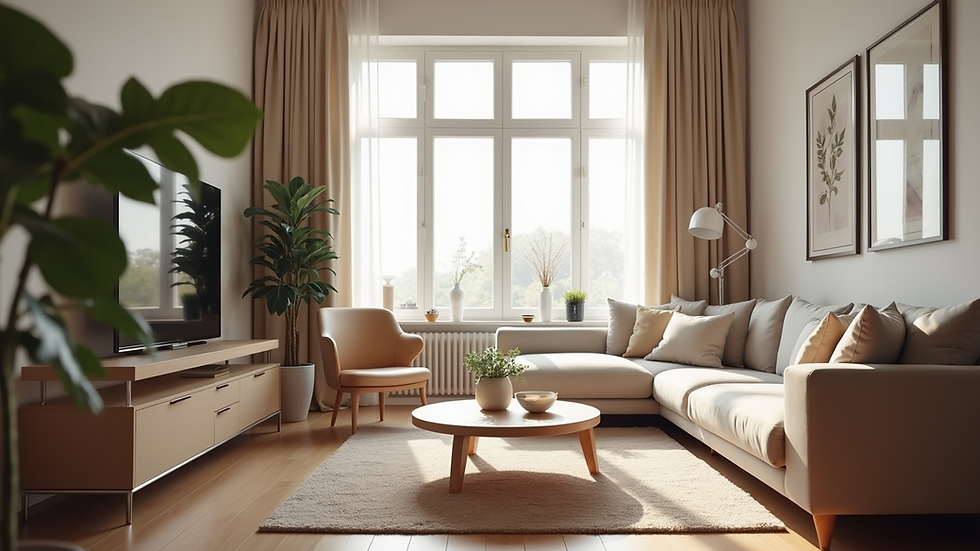
Residential design is all about making a house feel like a home. It’s where comfort meets creativity, and every corner tells a story. When I think about residential design, I focus on three key elements: functionality, aesthetics, and personal expression.
Functionality means the space works for your lifestyle. For example, a family kitchen should be easy to navigate, with plenty of storage and durable surfaces.
Aesthetics bring beauty and harmony. Choosing colours, textures, and furniture that complement each other creates a welcoming atmosphere.
Personal expression lets your personality shine through. Whether it’s a bold wallpaper or a quirky art piece, these touches make your home uniquely yours.
One practical tip? Start with a mood board! Collect images, fabric swatches, and colour samples that inspire you. This visual guide helps keep your design cohesive and focused.
What is residential and commercial design?
You might wonder, what exactly is residential and commercial design? Simply put, it’s the art and science of planning and decorating spaces where people live and work. Residential design focuses on homes, apartments, and other living spaces. Commercial design, on the other hand, deals with offices, shops, restaurants, and public buildings.
Both types of design share some principles but also have unique challenges. For instance, commercial spaces often need to accommodate more people and comply with strict safety regulations. Residential spaces prioritise comfort and personal taste.
A great example is how lighting differs between the two. In a home, warm, soft lighting creates a relaxing vibe. In a commercial setting, brighter, more uniform lighting ensures productivity and visibility.
Understanding these differences helps designers create spaces that are not only beautiful but also practical and safe.

Bringing Your Vision to Life: Practical Tips for Design Success
Now that we’ve covered the basics, let’s talk about how you can bring your design ideas to life. Whether you’re tackling a residential project or a commercial one, these tips will help you stay on track and achieve stunning results.
Plan Thoroughly
Before buying anything, sketch your layout and list your needs. Think about how you move through the space and what activities happen there.
Choose a Cohesive Colour Palette
Stick to 2-3 main colours and use accents to add interest. This keeps the space feeling unified and balanced.
Invest in Quality Materials
Durable materials save money in the long run and look better over time. For example, hardwood floors or stone countertops are both stylish and long-lasting.
Mix Textures and Patterns
Combine smooth, rough, shiny, and matte surfaces to add depth. A velvet sofa paired with a rustic wooden table creates a rich sensory experience.
Don’t Forget Lighting
Layer your lighting with ambient, task, and accent lights. This flexibility lets you change the mood and function of a room easily.
Incorporate Greenery
Plants bring life and freshness to any space. They also improve air quality and boost mood.
Personalise with Art and Accessories
These finishing touches make your space feel lived-in and loved.
Remember, design is a journey, not a race. Take your time, experiment, and enjoy the process!

Why Sustainable Design Matters
One thing I’m passionate about is sustainability in design. It’s not just a trend but a responsibility. Sustainable design means creating spaces that are environmentally friendly, energy-efficient, and built to last.
Here’s why it’s important:
Reduces environmental impact by using eco-friendly materials and reducing waste.
Saves money through energy-efficient appliances and insulation.
Improves health with better air quality and natural lighting.
Enhances comfort by maintaining consistent temperatures and reducing noise.
Simple ways to incorporate sustainability include choosing reclaimed wood, low-VOC paints, and LED lighting. Also, consider the lifecycle of your furniture and decor—opt for pieces that can be repaired or recycled.
By embracing sustainable practices, you’re not only creating beautiful spaces but also contributing to a healthier planet.
Empowering Future Designers and Homeowners
Design is for everyone! Whether you’re a homeowner wanting to refresh your space or an aspiring interior designer eager to learn, there’s so much to explore. I encourage you to dive into resources, courses, and communities that inspire creativity and skill-building.
For those interested in professional growth, studios like Studio Speck Ltd offer fantastic interior design courses. They focus on timeless and sustainable design principles, helping you build a strong foundation.
And if you’re simply looking to improve your own home or office, start small. Try rearranging furniture, adding a splash of colour, or introducing new textures. Every little change counts!
Design is a powerful tool to shape how we live and work. Let’s make it exceptional together.
I hope these insights spark your creativity and confidence in crafting spaces that truly reflect who you are. Remember, great design is about balance, purpose, and joy. Happy designing!


Comments